Mark Winters
The Lone Crusader: The Life, Ideology, and Impact of Anders Behring Breivik
The Lone Crusader: The Life, Ideology, and Impact of Anders Behring Breivik
Couldn't load pickup availability
The Lone Crusader: The Life, Ideology, and Impact of Anders Behring Breivik
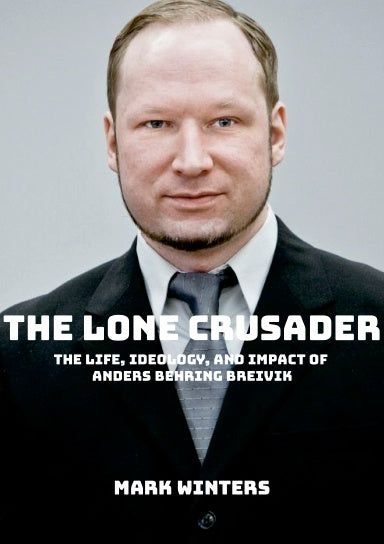
On 22 July 2011, Anders Behring Breivik killed 77 people in Norway in the deadliest attack on European soil since the Second World War. He was not a random madman. He was a man with a detailed ideology, a long-term plan and a chilling sense of purpose. The Lone Crusader is a rigorous and unflinching examination of Breivik’s life, his ideology and the questions his actions force us to confront about radicalisation, extremism and the limits of liberal society.
Who This Book Is For
This book is for readers who want to understand one of the most significant acts of political violence in modern European history — not to excuse or glorify it, but to understand it with the seriousness it demands. It is for those who believe that understanding extremism honestly is the only way to effectively counter it.
What You Will Learn
- The life and psychological development of Anders Behring Breivik
- The ideological framework behind his actions — its sources, its logic and its appeal
- How Breivik planned and executed the attacks of 22 July 2011
- The political and social context in which his ideology developed
- The impact of the attacks on Norway and on European political discourse
- What Breivik’s case reveals about the radicalisation process
- The ongoing relevance of far-right extremism in contemporary Europe
Why This Case Demands Serious Study
Breivik’s attack was not an isolated aberration. It was the product of a coherent — if deeply disturbed — worldview that continues to influence far-right movements across Europe and beyond. Understanding it is not optional for anyone who takes the threat of political extremism seriously.
What Makes This Book Different
The Lone Crusader approaches its subject with analytical rigour and moral seriousness. It neither sensationalises nor sanitises — it examines one of the most disturbing cases in modern European history with the honesty it deserves.
Ideal For Readers Interested In
- Far-right extremism and radicalisation
- True crime and political violence
- Norwegian history and the 22 July attacks
- Terrorism and counter-terrorism
- Political psychology and ideology
Share